
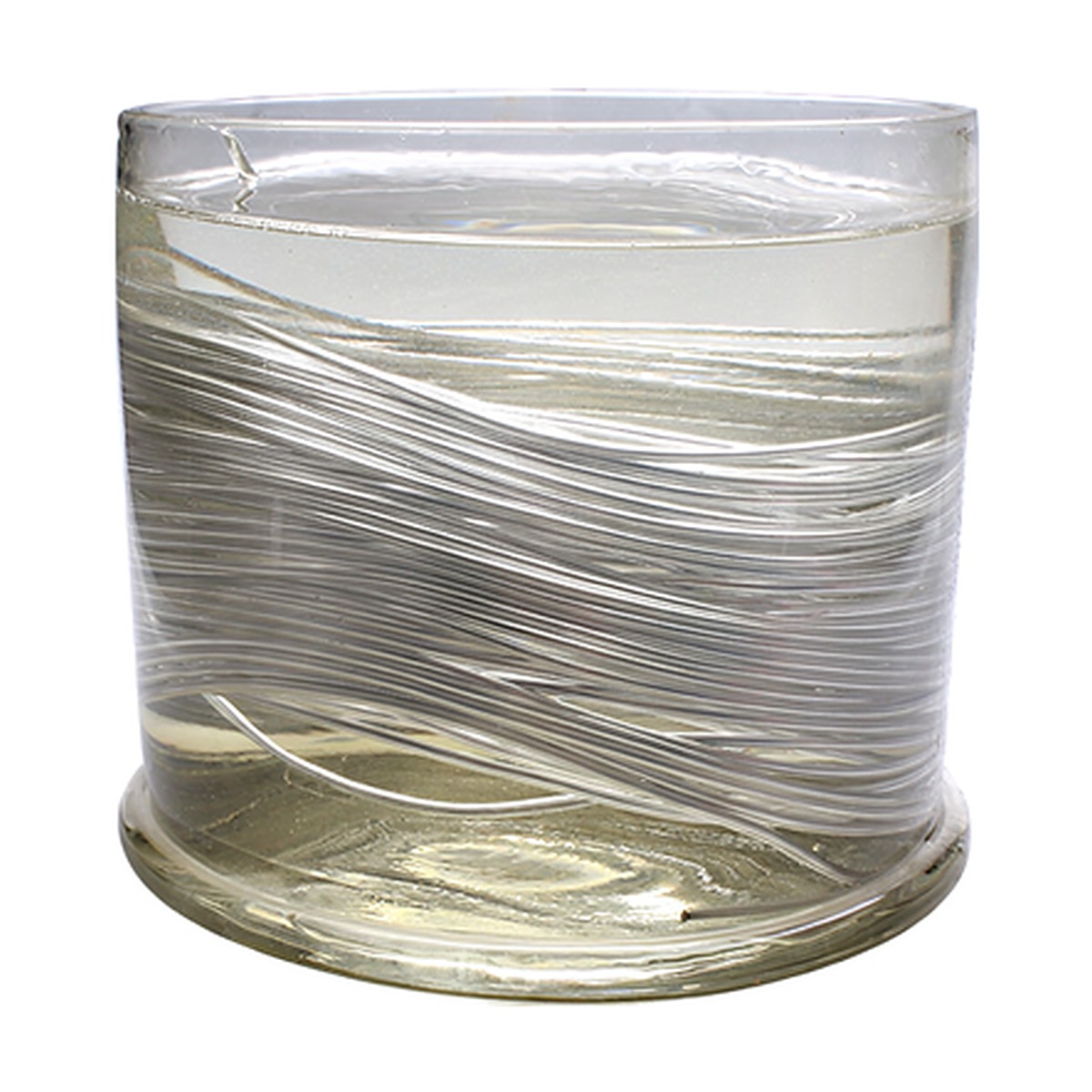
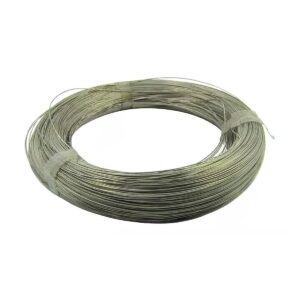
Indium wire at 4N purity, from 0.5 mm to 5.0 mm, supplied in coils. Indium melts at 156.6 °C, stays soft at room temperature and wets glass and most metals — which is why it is used for cryogenic seals, thermal interfaces and target bonding.
Specification
| Metal | Indium (In) |
|---|---|
| Purity | 4N (99.99%) |
| Form | Wire |
| Dimensions | Ø 0.5–5.0 mm; coils of 100 g–1 kg |
| Density | 7.31 g/cm³ |
| Melting point | 156.6 °C |
| Packing | Vacuum-sealed, argon flushed; spool or flat pack in a foam-lined case |
| MOQ | By agreement — quoted per order |
| Lead time | 10–20 working days |
Tolerances and handling
- Indium is extremely soft; wire deforms under its own weight in large coils — support it.
- For cryogenic seals, the standard practice is to use a fresh wire and compress it once; indium does not spring back.
- Indium sticks to itself and to many surfaces; use a release agent where you do not want adhesion.
End applications
- Cryogenic and vacuum sealing
- Thermal interface and target bonding
- Low-melting solder and fusible links
- Evaporation feedstock
Frequently asked
How is indium used for target bonding?
A thin indium foil or wire is compressed between the target and the backing plate; it conforms to both surfaces and provides thermal contact.
Does indium wire oxidise?
Slowly, and the oxide skin is thin. Store sealed and use fresh material for sealing applications.
Related reading: all wire, foil and solder products · high-purity evaporation materials
Related resources
- Applications — where this material is used, by industry.
- Deposition methods — e-beam vs thermal, liner choice, pre-melt and defect fixes.
- Crucible fill calculator — how much charge fits in the liner.
- Film material calculator — material needed for a given thickness.
Reviews
There are no reviews yet.