
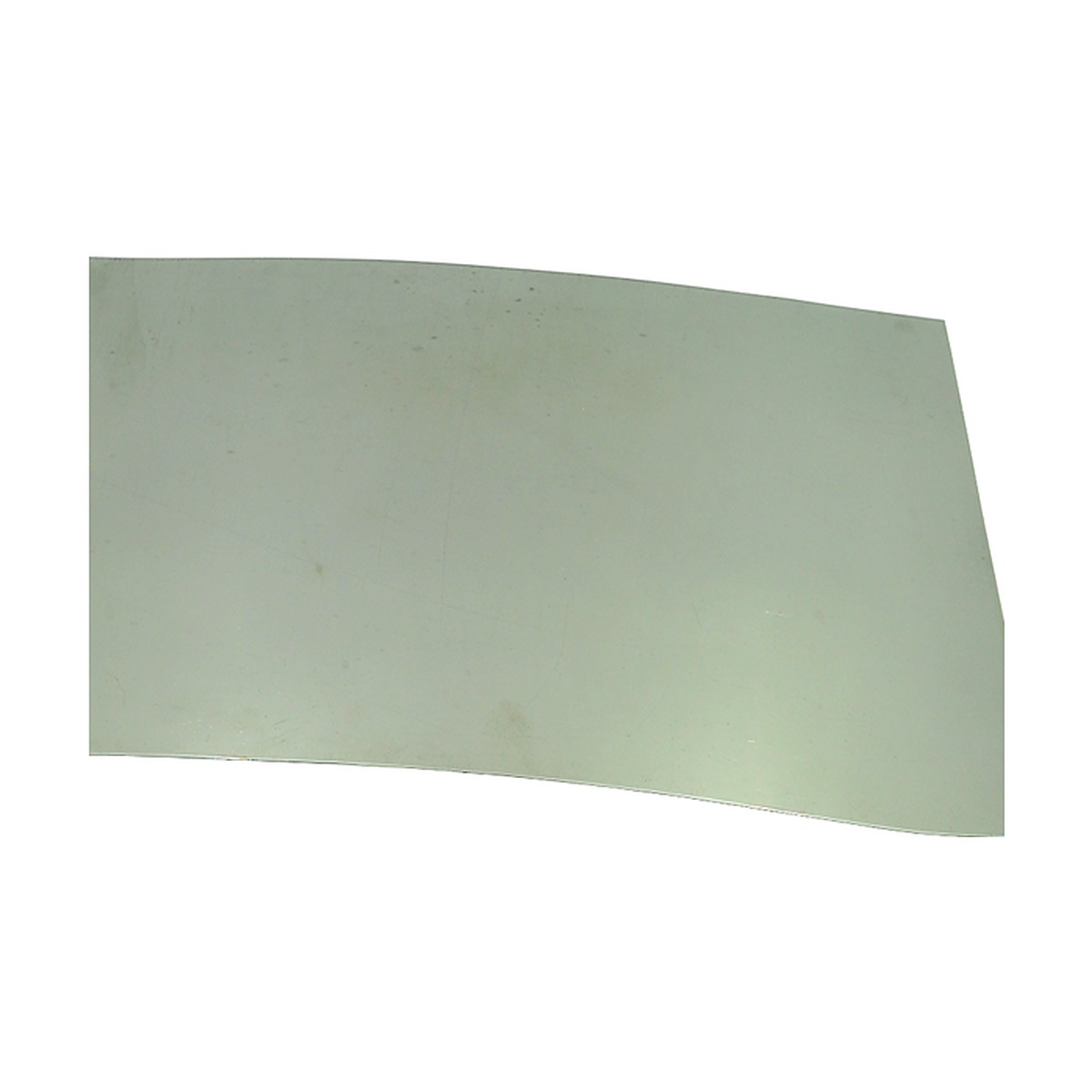
Molybdenum sheet at 3N5 purity from 0.1 mm to 5.0 mm, cut to size. Molybdenum combines a 2623 °C melting point with better machinability than tungsten, which makes it the usual choice for heat shields and evaporation boats.
Specification
| Metal | Molybdenum (Mo) |
|---|---|
| Purity | 3N5 (99.95%) |
| Form | Sheet |
| Dimensions | Thickness 0.1–5.0 mm; width up to 200 mm; cut to size |
| Density | 10.22 g/cm³ |
| Melting point | 2623 °C |
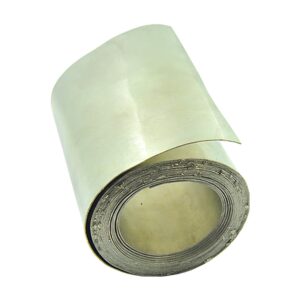
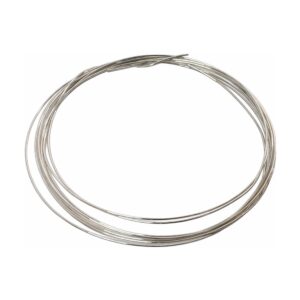
| Packing | Vacuum-sealed, argon flushed; spool or flat pack in a foam-lined case |
| MOQ | By agreement — quoted per order |
| Lead time | 10–20 working days |
Tolerances and handling
- Molybdenum oxidises above about 600 °C in air — vacuum or inert atmosphere only.
- Sheet is supplied stress-relieved; machining can reintroduce stress, so specify if the part must stay flat.
- For boats, a slightly oxidised surface improves wetting in some processes and harms it in others — specify your preference.
End applications
- Heat shields for furnaces and evaporators
- Evaporation boats and crucible liners
- Sputtering target backing
- Electrodes for glass melting
Frequently asked
Molybdenum or tungsten for heat shields?
Molybdenum is cheaper, easier to form and adequate below about 1900 °C; tungsten is used where the shield sees higher temperature.
Do you cut to drawing?
Yes — laser, waterjet or machining to drawing, with flatness checked.
Related reading: all wire, foil and solder products · high-purity evaporation materials
Related resources
- Applications — where this material is used, by industry.
- Deposition methods — e-beam vs thermal, liner choice, pre-melt and defect fixes.
- Crucible fill calculator — how much charge fits in the liner.
- Film material calculator — material needed for a given thickness.
Reviews
There are no reviews yet.