
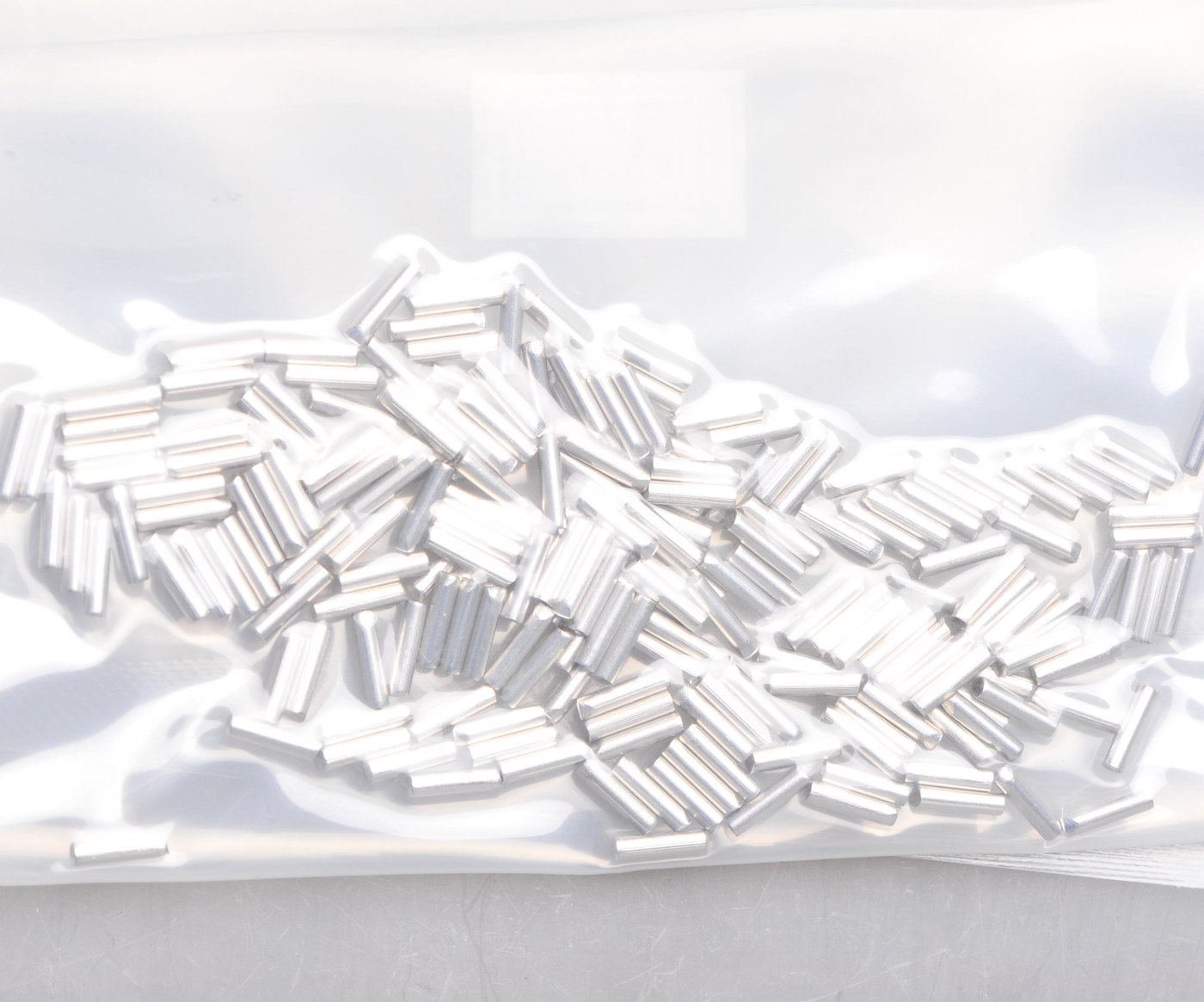
Platinum evaporates at high temperature and stays chemically inert, which is why it is used for electrodes, protective layers and high-temperature films that must not react with the substrate. It is also one of the most expensive materials in the catalogue, so utilisation matters.
Specification
| Material | Platinum (Pt) |
|---|---|
| Purity | 3N5 (99.95%) |
| Melting point | 1768 °C |
| Density | 21.45 g/cm³ |
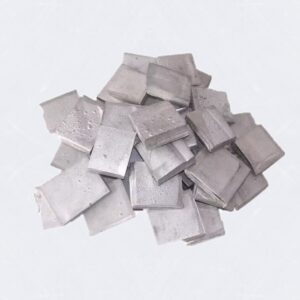
| Form | Pellets, granules or pieces; custom preforms to drawing |
| Packing | Vacuum-sealed, argon flushed; 1 kg per bag |
| MOQ | 100 g (samples from 10 g) |
| Lead time | 10–20 working days |
Evaporation notes
- High evaporation temperature — e-beam is the practical method.
- Platinum is soft; pellets deform if handled roughly, and deformation changes the melt.
- Keep platinum away from iron tools — iron contamination makes the film brittle.
End applications
- Electrodes and protective layers
- High-temperature films
- Catalyst and sensor layers
- Magnetic and optical stacks
Frequently asked
Why is platinum so expensive to evaporate?
High material cost and high evaporation temperature both reduce utilisation. Thin films and efficient liner design matter more than for base metals.
Can platinum be evaporated thermally?
It requires very high boat temperature; e-beam is the standard method in practice.
Related reading: e-beam evaporation materials guide · all high-purity evaporation materials
Related resources
- Applications — where this material is used, by industry.
- Deposition methods — e-beam vs thermal, liner choice, pre-melt and defect fixes.
- Crucible fill calculator — how much charge fits in the liner.
- Film material calculator — material needed for a given thickness.
Reviews
There are no reviews yet.