
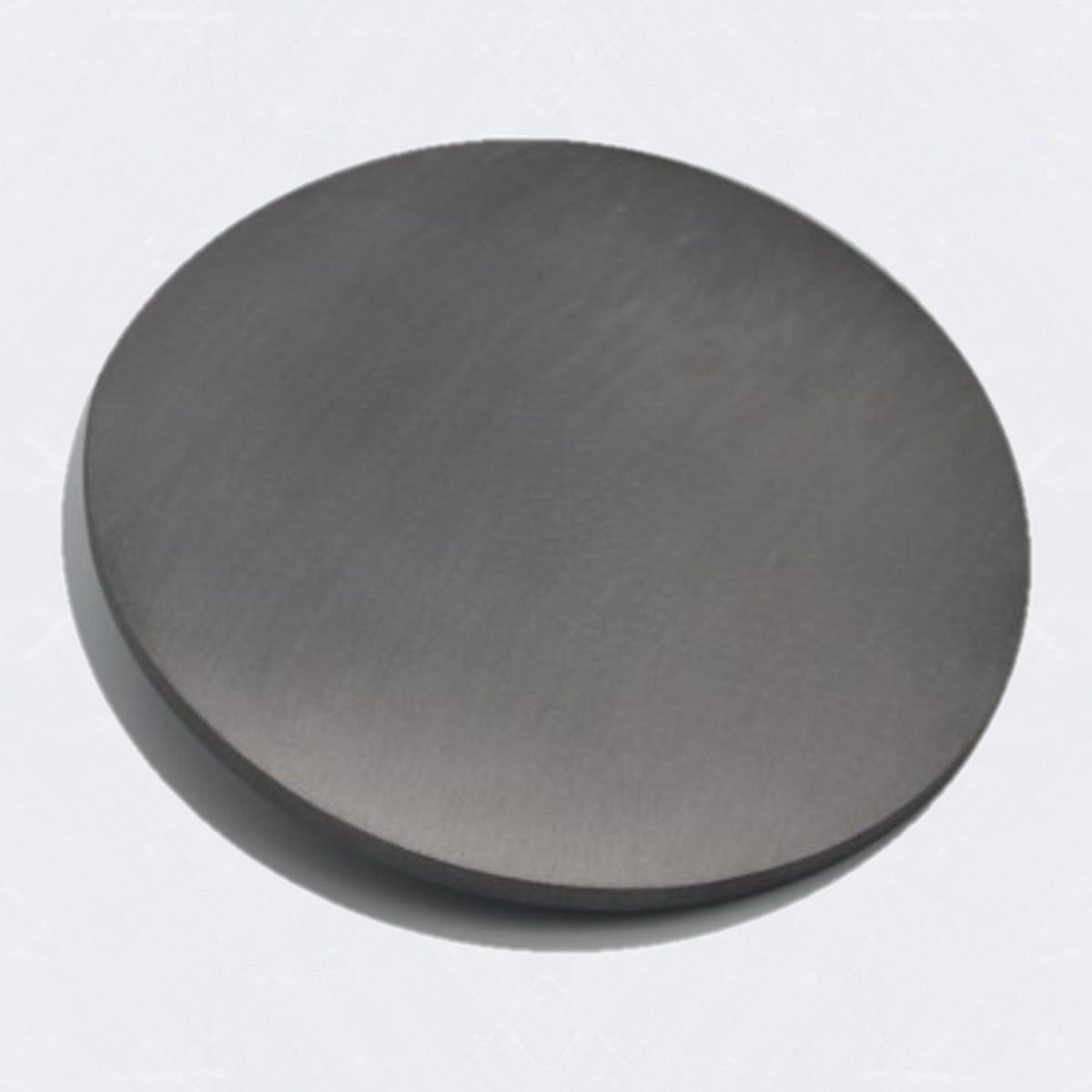
Tin monoxide is a p-type oxide semiconductor with a layered structure, studied for transparent electronics and as a component in sensors. It is metastable: deposition conditions can oxidise it to SnO2, so the target phase must be phase-pure.
Specification
| Composition | SnO |
|---|---|
| Purity | 99.9% |
| Density | 6.45 g/cm³ |
| Melting point | ≈1080 (decomposes) °C |
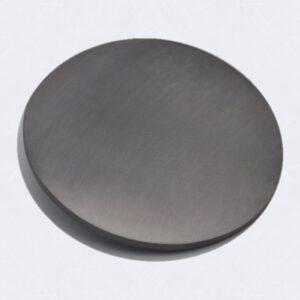
| Form | Discs 2″, 3″, 4″, 6″, 8″ · plates to drawing · rotatables on request |
| Bonding | Indium or elastomer to Cu backing; bond coverage checked |
| Packing | Vacuum-sealed, foam-lined case with density and stoichiometry report |
| MOQ | 1 pc |
| Lead time | 20–30 working days |
What decides the film
- SnO is metastable and oxidises to SnO2 — process control is critical.
- Phase purity on the certificate matters more than the trace metal level.
- Density and bonding decide survival, as with all low-melting oxides.
End applications
- p-type transparent semiconductor research
- Gas sensors
- Photo-catalytic films
- Battery anode research
Frequently asked
How is SnO kept stable in the film?
By limiting oxygen during deposition and keeping the substrate cool. Excess oxygen converts it to SnO2.
Is SnO a production material?
Mainly research at present; SnO2 is the production transparent oxide.
Related reading: targets for optical coatings · ITO vs AZO vs IGZO · all ceramic targets
Related resources
- Applications — where this material is used, by industry.
- Deposition methods — e-beam vs thermal, liner choice, pre-melt and defect fixes.
- Crucible fill calculator — how much charge fits in the liner.
- Film material calculator — material needed for a given thickness.
Reviews
There are no reviews yet.