
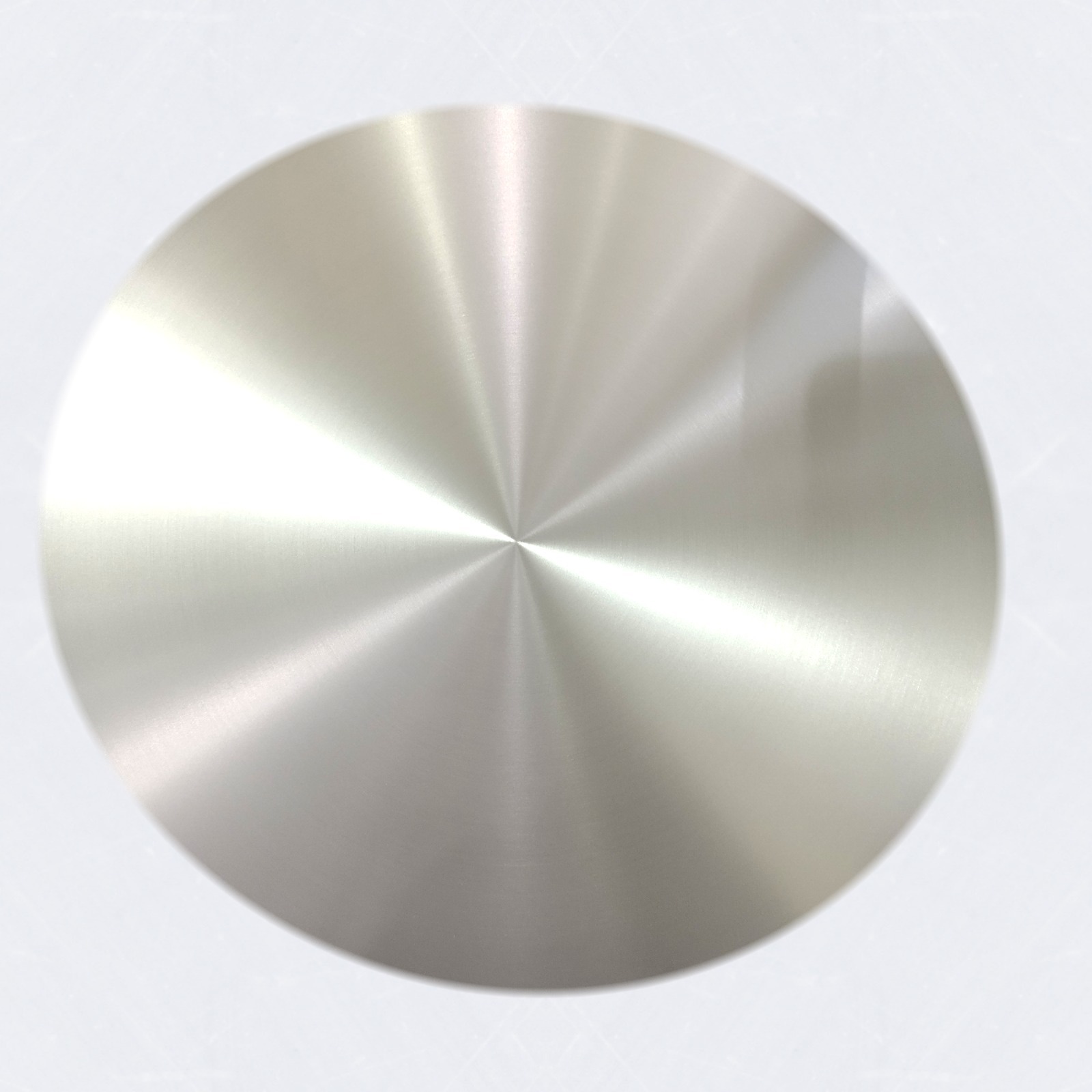
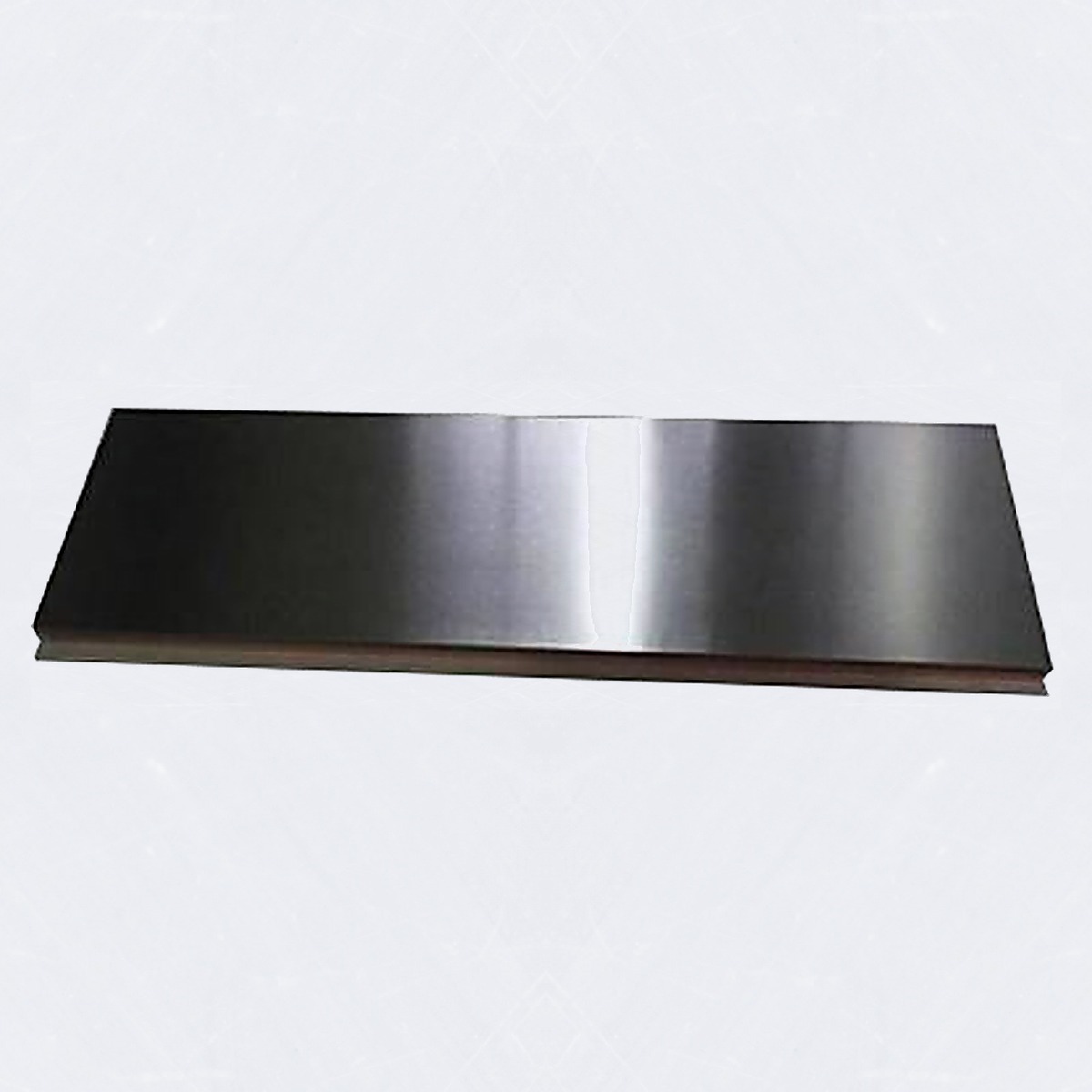
WTi (TiW) targets deposit the barrier layer that has separated aluminium from silicon for decades, and they remain the standard for contacts and via liners in mature nodes. The alloy is refractory and brittle — density and bonding decide whether the target survives.
Specification
| Material | W/Ti (90/10 wt%) |
|---|---|
| Purity | W/Ti 90/10 wt%, ±0.5 wt% |
| Density | ≈18.7 g/cm³ |
| Melting point | ≈3300 °C |
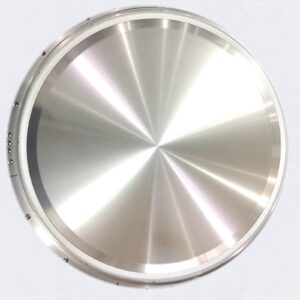
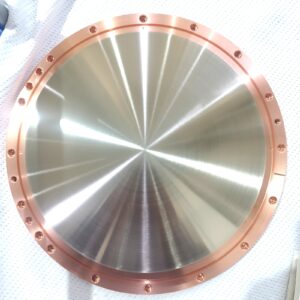
| Form | Discs 2″, 3″, 4″, 6″, 8″, 12″ · rectangular plates to drawing |
| Grain / texture | Fine grain; stated on request |
| Bonding | Indium or elastomer to Cu / Al backing, bond coverage checked |
| Packing | Vacuum-sealed, foam-lined case with flatness record |
| MOQ | 1 pc |
| Lead time | 15–25 working days |
Sputtering notes
- Very brittle — bonding is mandatory and handling damage is a real risk.
- Nitrogen addition (WTiN) improves barrier performance; specify if the process needs it.
- Density above 99% limits the particles that cause via failures.
End applications
- Diffusion barriers for Al and Cu metallisation
- Contact and via liners
- Hard, wear-resistant coatings
- X-ray and radiation shielding films
Frequently asked
Why is WTi so brittle?
The tungsten–titanium intermetallic phase is hard and brittle. Targets are made by powder metallurgy or hot pressing and must be bonded before use.
Related reading: target specification guide · all metal sputtering targets
Related resources
- Applications — where this material is used, by industry.
- Deposition methods — e-beam vs thermal, liner choice, pre-melt and defect fixes.
- Crucible fill calculator — how much charge fits in the liner.
- Film material calculator — material needed for a given thickness.
Reviews
There are no reviews yet.